
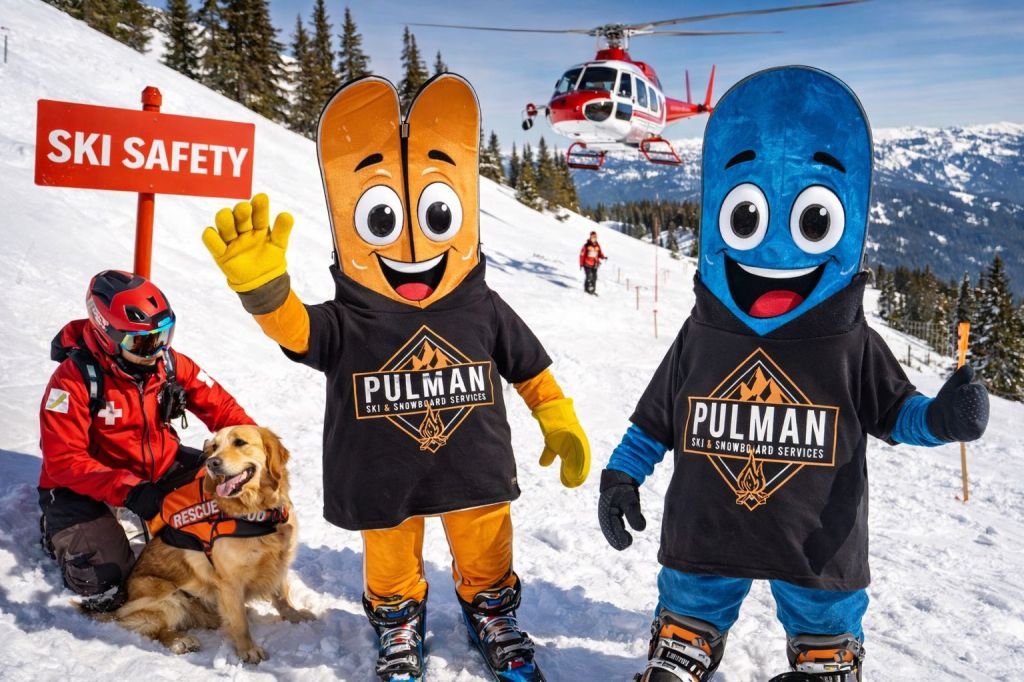
Collision management is a critical but often overlooked aspect of skiing and snowboarding.
When we actively manage our space on the mountain, by staying alert, predictable, and considerate, we reduce collisions, protect ourselves and others, and help ensure that the slopes remain enjoyable for everyone!
Safe Skiing and Snowboarding:
Why Mountain Safety Is Everyone’s Responsibility
Skiing and snowboarding are among the most exhilarating winter sports in the world. From carving fresh corduroy at sunrise to floating through powder stashes and cruising terrain parks, mountain resorts offer unforgettable experiences for all skill levels.
However, with that excitement comes responsibility. Safe skiing and snowboarding are not just personal choices, they are shared obligations that protect every guest on the hill.
Whether you are a first-time visitor or a lifelong rider, understanding and respecting mountain safety rules is essential. When everyone recognizes and follows safety principles, resorts become more enjoyable, inclusive, and secure for all.
Why Safety on the Mountain Matters:
Mountain resorts are dynamic environments. Weather changes quickly, terrain varies dramatically, and thousands of people with different abilities share the same space. Without common safety awareness, even small mistakes can lead to serious injuries or accidents or even death!
Safe skiing and snowboarding:
Reduce collisions and injuries.
Protect beginners and vulnerable riders.
Allow ski patrol to respond effectively.
Preserve access to terrain and resort privileges.
Create a positive culture of respect on the mountain.
Safety is not about limiting fun, it’s about ensuring everyone can enjoy the mountain and return home safely at the end of the day.
Understanding the Skier Responsibility Code
Most resorts around the world follow a version of the Skier Responsibility Code, a universally recognized set of rules that applies to both skiers and snowboarders. These guidelines exist to keep traffic flowing safely and to prevent avoidable accidents.
Key principles include:
1. Always Stay in Control
You must be able to stop or avoid people and objects at all times. Speed should match your ability, the terrain, snow conditions, and visibility. Riding beyond your limits puts everyone at risk.
2. Yield to Those Downhill
People below you on the slope have the right of way. They may not see you approaching, so it’s your responsibility to avoid them.
3. Stop Only in Safe, Visible Areas
Never stop in narrow trails, below blind rolls, or where others cannot see you from above. If you fall, move out of the way as soon as possible.
4. Look Uphill Before Starting or Merging
Whenever you enter a trail or start moving after stopping, always check uphill to ensure it’s safe.
5. Obey All Signs and Warnings
Trail signs, rope lines, and closures exist for a reason. Ignoring them can lead to dangerous terrain, avalanches, or collisions.
6. Use Lifts Safely
Know how to load, ride, and unload lifts properly. Secure loose gear and follow lift operator instructions.
Recognizing and respecting these rules is fundamental to a safe resort experience.
Terrain Awareness and Skill Matching
Every resort uses a trail rating system (green, blue, red, black, and beyond) to indicate difficulty. Choosing terrain that matches your skill level is one of the most important safety decisions you can make.
Beginners should start on green terrain and progress gradually
Advanced riders should be aware that speed and aggression increase responsibility
Experts must recognize that their actions influence others, especially in shared zones
Terrain parks, tree runs, steeps, and ungroomed areas require additional caution, awareness, and experience. Riding terrain beyond your ability not only endangers you—it increases the risk for rescuers and ski patrol.
Collision Prevention and Shared Space
Collisions are one of the most common causes of serious injuries on ski hills. Resorts are shared spaces, and mutual respect is essential.
To prevent accidents:
Maintain a safe distance from others
Pass wide and predictably
Avoid sudden stops or erratic turns in crowded areas
Be extra cautious near lift lines, beginner zones, and trail intersections
Recognizing that every person on the hill has a different comfort level helps foster patience and courtesy.
Equipment Safety and Personal Preparation
Proper equipment plays a major role in mountain safety.
Helmets
Wearing a helmet is strongly recommended for all ages and abilities. Helmets significantly reduce the risk of head injuries in falls and collisions.
Proper Fit and Maintenance
Boots should fit snugly without pain.
Bindings must be correctly adjusted.
Skis and boards should be appropriate for your height, weight, and ability.
Before heading out, check weather forecasts, trail reports, and snow conditions. Fatigue, dehydration, and poor visibility can all impact decision-making.
The Role of Awareness and Courtesy
Safety is not just about rules—it’s about mindset. Being aware of your surroundings, anticipating others’ movements, and riding with courtesy creates a safer mountain culture.
Simple actions make a big difference:
Slow down near congested areas.
Offer help to fallen riders when safe to do so.
Follow instructions from ski patrol and resort staff.
Encourage responsible behavior among friends and family.
When safety is normalized and recognized by everyone on the hill, risky behavior becomes less acceptable.
Why Everyone on the Hill Must Recognize Safety
Mountain safety only works when it is collective. One reckless rider can cause injuries to multiple people. Conversely, one informed rider can help prevent accidents simply by making smart, respectful choices.
Recognizing safety standards:
Protects beginners and families.
Reduces strain on emergency services.
Keeps terrain open and accessible.
Enhances the overall resort experience.
Resorts thrive when guests feel safe, confident, and respected—and that starts with individual accountability.
A Shared Responsibility for an Unforgettable Experience
Safe skiing and snowboarding are not optional—they are essential to the enjoyment and longevity of winter sports. By recognizing safety rules, respecting others, and making responsible choices, every skier and snowboarder contributes to a better mountain environment.
When everyone on the hill understands that safety is a shared responsibility, the mountain becomes what it’s meant to be: a place of freedom, adventure, and unforgettable moments, for everyone.
Get ski or snowboard lessons
Getting ski or snowboard lessons before you start is one of the smartest decisions you can make on the mountain. Lessons don’t just help you learn faster—they make your experience safer, more enjoyable, and far less intimidating. Here’s why starting with lessons truly matters:
1. Learn the Correct Technique From the Beginning
Skiing and snowboarding rely on balance, body position, and movement patterns that are not always intuitive. Without instruction, beginners often develop bad habits—leaning back, improper turning techniques, or poor stance—that can be difficult to unlearn later.
Professional instructors:
Teach correct posture and balance
Show efficient turning and stopping techniques
Help you control speed safely
Build strong fundamentals that support long-term progression
Starting with the right technique saves time, energy, and frustration.
2. Stay Safer on the Mountain
The mountain is a shared environment with changing terrain, weather, and traffic. Lessons focus heavily on safety, especially for beginners who may not yet understand slope etiquette or how to react in real situations.
In lessons, you’ll learn:
How to stop and control speed
How to avoid collisions
How to fall safely and get back up
The Skier Responsibility Code and mountain rules
This knowledge helps protect not only you, but everyone around you.
3. Build Confidence Faster
Many first-timers feel nervous or overwhelmed—especially at the top of a slope. Lessons are designed to progress at a comfortable pace, starting on beginner-friendly terrain.
Instructors:
Break skills into manageable steps
Choose slopes suited to your ability
Encourage positive mindset and patience
Help you overcome fear gradually
Confidence is key to enjoying skiing or snowboarding, and lessons help you build it quickly and safely.
4. Learn Faster Than Teaching Yourself
While some people try to “figure it out” on their own, this often leads to slow progress and unnecessary falls. Instructors can spot mistakes immediately and provide real-time feedback.
Lessons help you:
Progress more efficiently
Avoid trial-and-error frustration
Reach intermediate terrain sooner
Make better use of your time on the hill
What might take days to learn alone can often be achieved in hours with proper instruction.
5. Understand the Mountain and Resort Environment
Resorts can feel confusing for beginners. Lessons teach you how to navigate the mountain confidently.
You will learn:
How to use lifts safely
Where to stop safely on trails
How to read trail signs and maps
Resort-specific rules and safety zones
This knowledge helps you feel comfortable and independent sooner.
6. Reduce Fatigue and Physical Strain
Incorrect technique wastes energy and puts unnecessary stress on muscles and joints. Many beginner injuries come from poor form rather than crashes.
Lessons help you:
Use your body efficiently
Reduce falls and strain
Ski or ride longer without exhaustion
Recover better between runs
Proper movement makes the sport feel smoother and more enjoyable.
7. Create a More Enjoyable First Experience
Your first day on snow can shape how you feel about skiing or snowboarding forever. Lessons increase the chances that your first experience is fun, positive, and rewarding.
Instead of:
Struggling on terrain that’s too steep
Feeling embarrassed or discouraged
Spending the day frustrated
You will be:
Learning with purpose
Progressing safely
Celebrating small wins
Having more fun
8. Lessons Are for All Ages and Learning Styles
Whether you’re a child, teen, or adult, lessons are tailored to your needs. Instructors adapt teaching styles based on how you learn best—visual, hands-on, or verbal.
Group lessons offer social motivation, while private lessons provide personalized attention and faster progress.
9. Save Time and Money in the Long Run
While lessons may seem like an added expense, they often prevent:
Costly injuries
Damaged equipment
Wasted lift tickets
Repeat beginner struggles
Investing in lessons early leads to quicker improvement and more value from every day on the mountain.
10. Set Yourself Up for a Lifetime Sport
Skiing and snowboarding are lifelong activities. Starting with lessons helps you build a strong foundation, good habits, and a respect for mountain safety that stays with you for years.
A few lessons at the beginning can turn a challenging first day into a lifelong passion.
In Short:
Getting lessons before you start makes skiing and snowboarding safer, easier, faster to learn, and far more enjoyable. It’s the best way to ensure your first experience on the mountain is a positive one, and the first step toward loving the sport.
We hope you enjoyed reading about mountain saftey and take it into consideration for others and not just yourself!
Thank you for reading
Pulman’s ski and snowboard servicing
 Pulman's Ski And Snowboard Services