
Purchasing 2nd hand skis/snowboards and not sure what you are looking for?
Below we have some advice on buying 2nd hand equipment. Failing to spot these can be disastrous, causing you major injury or even death.
You should be cautious when buying old skis/snowboards. Significant damage can be hidden, particularly to the base, edges, and bindings. Good deals can be found if you inspect them carefully and avoid old equipment (over 6 years old). Check for core damage, rust, worn edges, delamination, and especially outdated bindings, as many shops won’t adjust non-indemnified bindings, and they pose a safety risk.

What to check for:
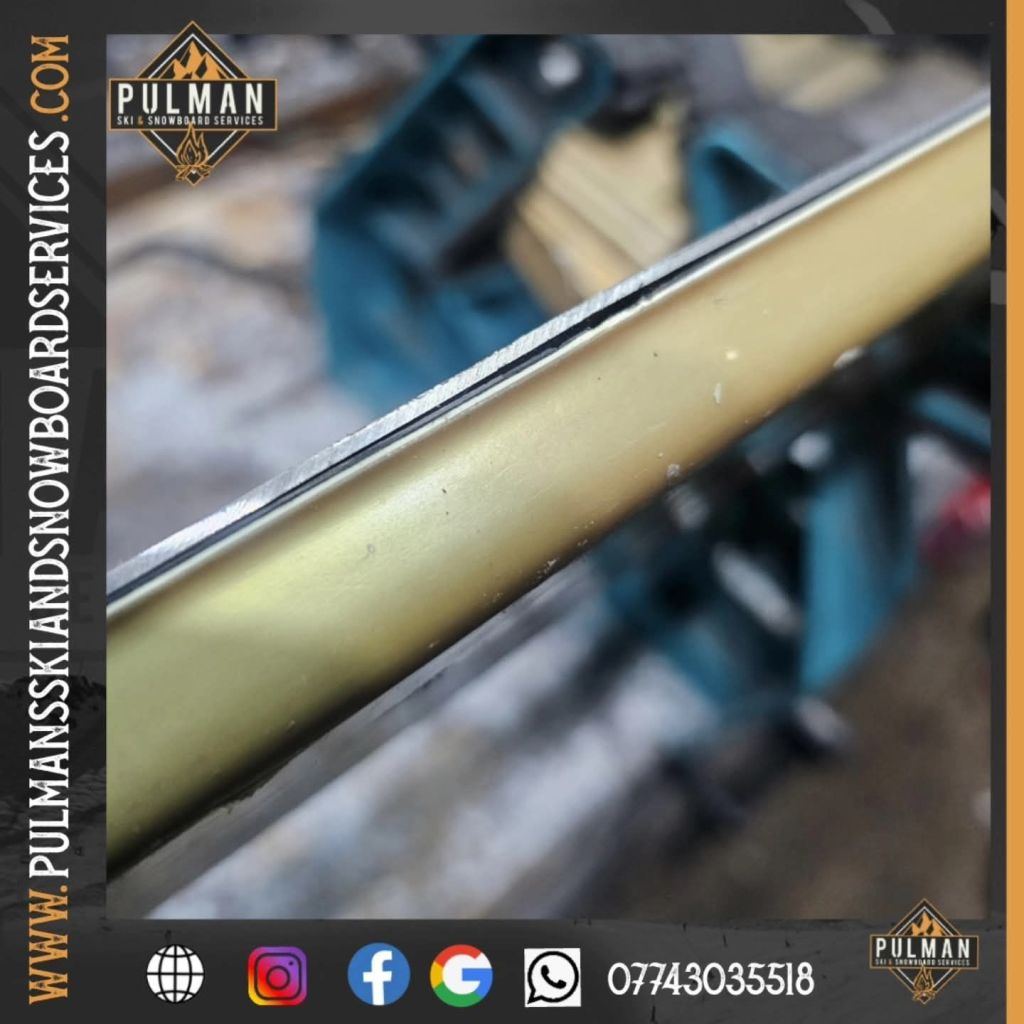
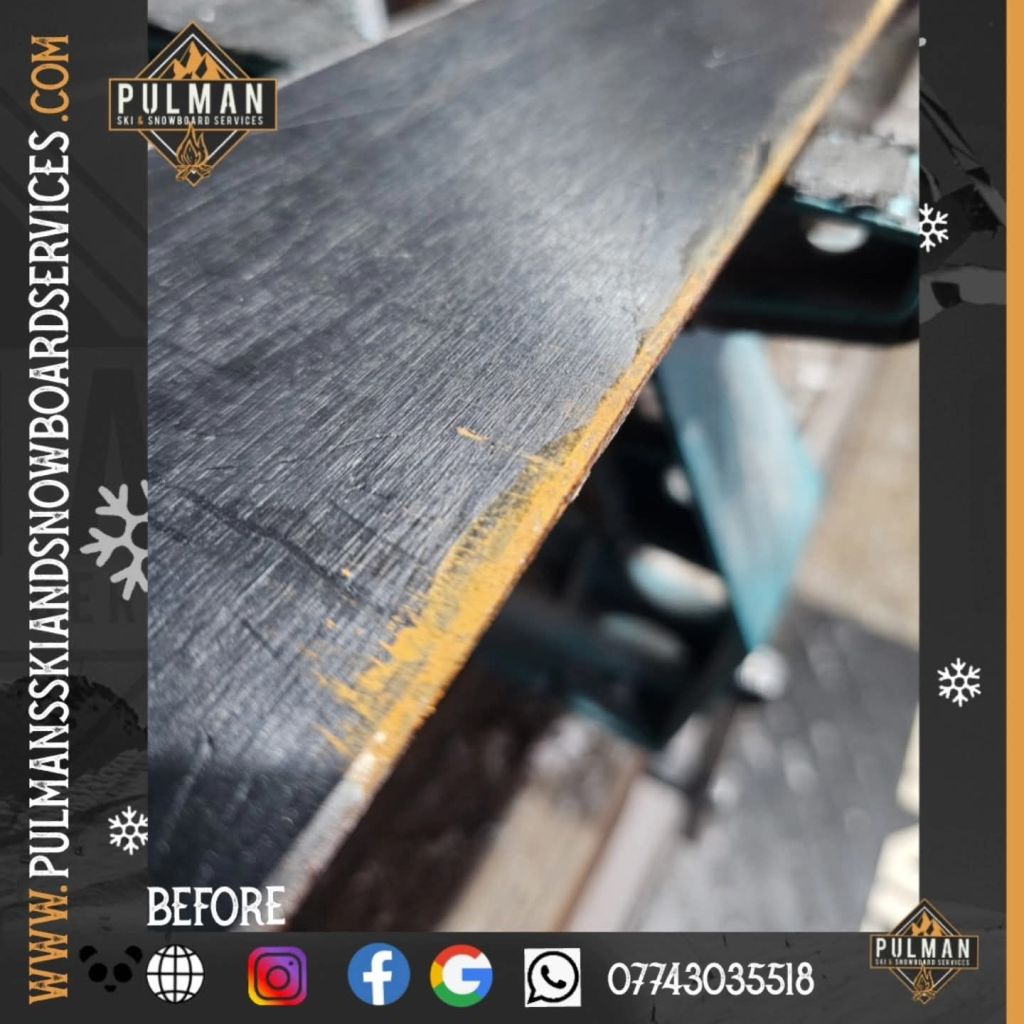
- Base and edges: Look for deep gouges, cracks, and rust on the edges. Rusty edges can indicate poor care and that the edges are thin and worn down. The rust can “eat” into the base, causing them to have further issues.
- Core: Inspect the snowboard or skis for delamination (cracking on the sidewall) or any signs of a compromised wood core, which can shorten the lifespan of the equipment. Any water can make its way into the damaged area, causing internal issues to the laminate.
- Bindings: Check bindings for any cracked plastic or obvious damage. Some older bindings may be “non-indemnified,” meaning a shop won’t adjust them, and they could be a safety hazard.
- Flex and camber: Ensure the snowboard/skis still have their original shape and have not lost their pop or flex, which can be a sign of age and damage.
What to be wary of:
- Age: Avoid buying equipment that is more than 6 years old, as the materials and technology may be outdated.
- Hidden damage: Be cautious of any equipment that has been repaired, as the damage could be more extensive than what is visible.
- Online marketplaces: Exercise extra caution when buying from private online sellers, as their listings may not be verified.
- Outdated bindings: Even if the skis/snowboard are in good condition, the bindings may be outdated and unsafe, so it’s essential to have a professional check them before use.

Tips for buying:
- Shop at verified retailers: Consider buying from reputable shops that sell used equipment, as they often have a quality-control process in place.
- Check for current model information: If you’re buying an older snowboard/ski, check if the model is still in production, as this can be a sign that it is still functional or even for product recalls.
- Don’t hesitate to get an expert opinion: If you’re unsure about the condition of the equipment, it’s always best to have it inspected by a professional at your local ski shop. We are more than happy to take a look at the equipment free of charge and recommend any advice going forward.
- Negotiate the price: Be prepared to haggle, as many sellers will be open to negotiating the price, especially for older equipment.

 Pulman's Ski And Snowboard Services